
OpenAI has taken its computer-use agents into healthcare, letting AI work directly inside the software clinics and insurers already use. Announced on 16 November at the HLTH26 conference, the agents are available through ChatGPT for Healthcare, ChatGPT for Clinicians and the OpenAI API, powered by GPT-6 Astra, with a cheaper GPT-6 Luna model for high-volume administrative work.
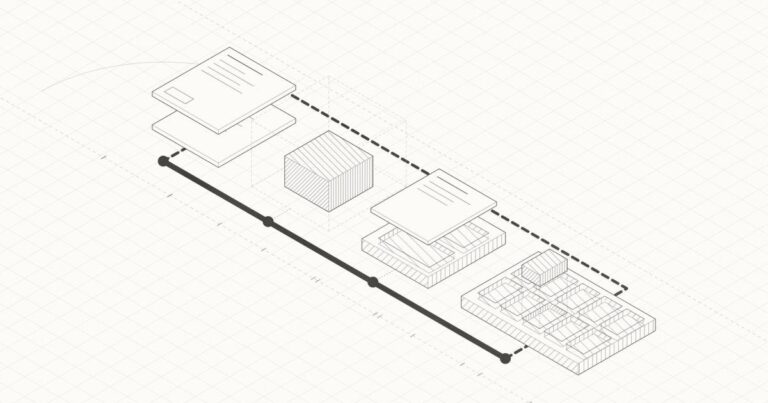
Rather than relying on APIs, the agents read screens, click buttons and type, moving between electronic health record systems and insurer portals to handle prior authorisations, referrals, discharge planning and specialist consults. In a demonstration using synthetic patient data, an agent reviewed a patient’s chart, drafted an MRI order and a reply for a clinician to check, then prepared the prior-authorisation request in the insurer’s portal.
The pitch is paperwork, not diagnosis. OpenAI says the work targets the administrative tasks that consume hours of clinical time, and organisations can set which applications agents may access and which steps require human review. Role-based access controls and audit logs are included, and content shared with ChatGPT for Healthcare is not used to train models; HIPAA-covered use requires a business associate agreement and the required security settings.
Early adopters are already live. CVS Health is using the agents in production and cleared a months-long document backlog over a weekend, while Cigna Healthcare is pulling member information from more than 10 systems at once. The numbers come with a caveat: in OpenAI’s own evaluation, physicians rated 99% of 325 reviewed GPT-6 Astra inbox tasks clinically safe, and Stanford’s independent HealthAdminBench scored Astra at 94.3% and Luna at 91.8%. These are evaluations, not measured patient outcomes.
Tools such as AssemblyAI and Notta already help clinics turn conversations into accurate records, and computer-use agents extend that automation into the systems themselves.
Source: Fierce Healthcare, AI Frontier Post