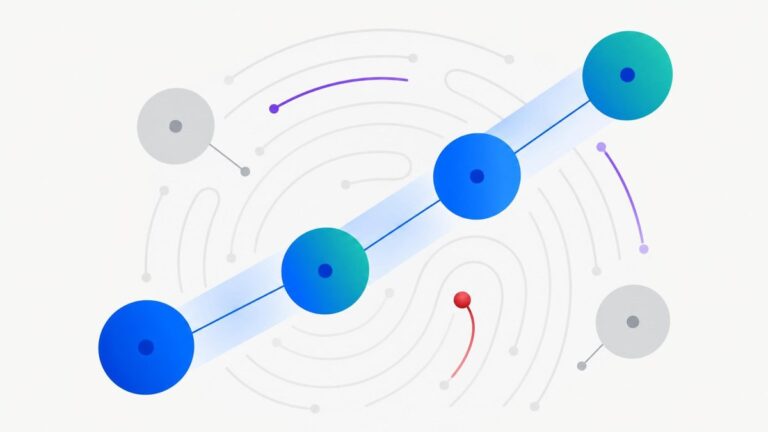

Zero-shot learning is the ability of an AI model to handle a task it was never trained on, with no examples given. You describe what you want in plain language, and the model figures it out from its knowledge. It is like asking a friend to do something new and having them get it right on the first try.
How It Works
Think of a well-read friend. You ask them to do something they have never done before, say, write a limerick about taxes, and they nail it on the first attempt. They can do this because years of reading gave them a deep general understanding of language, humor, and taxes, which they recombine on the spot. Zero-shot learning is the AI version of that: a model trained broadly enough that it can generalize to tasks it never saw during training.
The mechanism is instruction following. You describe the task in plain language, “Classify each review as positive, negative, or neutral,” and the model draws on its vast training to understand what classification means and what the labels imply. No examples, no extra training, just a clear description. The model’s generality does the heavy lifting.
This works best when the task resembles things the model has seen. Ask it to summarize, translate, or categorize, and it shines. Ask it to follow a bizarre brand-new format it has never encountered, and it may stumble. That boundary, where zero-shot stops working, is exactly where giving a few examples helps, which is why few-shot learning exists as its natural partner.
Why It Matters
Zero-shot learning is what makes modern AI usable by non-experts. Before it, getting a model to do a new task meant collecting training data and hiring machine learning engineers. Now you can simply describe what you want in a sentence. That single shift turned AI from a specialist tool into something anyone with a keyboard can direct.
It also gives one model incredible flexibility. The same chatbot can write code, plan meals, explain physics, and draft emails, switching tasks with each message. Instead of building a separate model for every job, organizations deploy one general model and let users steer it with words. Zero-shot capability is the reason AI feels less like software and more like a collaborator.
Real-World Example
A shop owner has two hundred customer reviews and wants to know the overall mood. Old approach: read them all, or hire someone to label hundreds of examples to train a classifier. Zero-shot approach: paste the reviews into a chatbot with the instruction, “Label each review as positive, negative, or neutral, then give me the totals.”
With no examples provided, the model understands the three labels, reads each review, and returns the counts. The whole analysis takes minutes. The shop owner never collected training data, never trained anything, and never wrote a line of code. A clear instruction plus a general model was everything the task required.
Popular AI Tools
- ChatGPT – excels at zero-shot tasks: describe what you want in plain language and it usually delivers.
- Claude – known for strong instruction-following, making it reliable for zero-shot requests.
- Gemini – handles a wide range of zero-shot tasks across text, images, and video.
Frequently Asked Questions
What is the difference between zero-shot and few-shot learning?
Zero-shot means no examples at all, just an instruction. Few-shot means you include a handful of examples in your prompt to show the model exactly what you want.
When does zero-shot learning fail?
On unusual formats, highly specialized jargon, or tasks far from anything in its training. If the model misunderstands your instruction, adding a few examples usually fixes it.
Do I need to give examples for simple tasks?
Usually not. Summaries, translations, classifications, and straightforward writing tasks work well zero-shot. Save examples for tasks with a specific format or style.
Is zero-shot learning the same as unsupervised learning?
No. Unsupervised learning finds patterns in unlabeled data during training. Zero-shot learning is about a trained model handling brand-new tasks at use time without examples.