
Computer vision is the field of AI that teaches computers to see and understand images and video the way humans do. By analyzing pixels and patterns, it can identify objects, recognize faces, read text in photos, and detect movement — powering everything from phone face unlock to self-driving cars and medical scans.
How It Works
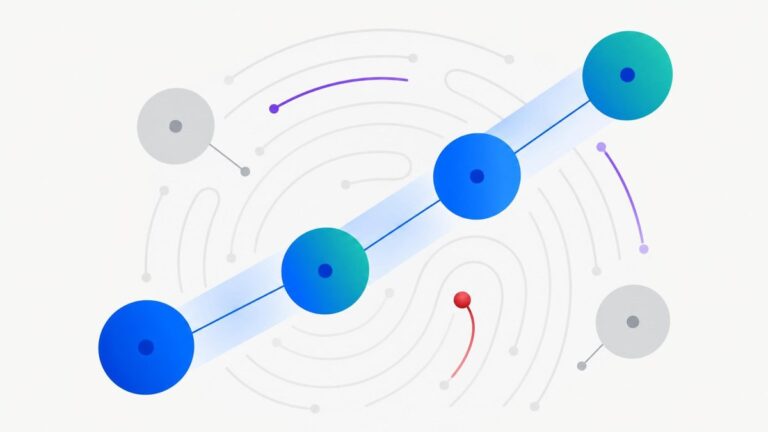
To a computer, an image is just a grid of numbers — brightness and color values for millions of pixels. Computer vision teaches machines to find meaning in that grid. Early steps detect edges, shapes, and textures; deeper layers combine them into parts (a wheel, an eye); and final layers recognize whole objects (“a car,” “a face”). This layered approach mirrors how human vision builds understanding.
Imagine assembling a jigsaw puzzle in the dark, feeling each piece. First you notice edges and corners, then you group similar colors, then shapes emerge, and finally the picture clicks. A vision model does something similar with pixels — building from tiny details up to full understanding, except it does it in a fraction of a second.
Modern computer vision runs on convolutional neural networks and vision transformers, trained on millions of labeled images. Show them enough cats, and they learn “cat-ness” — the combination of features that defines a cat — well enough to spot one in a photo they’ve never seen, from any angle, in any lighting.
Why It Matters
Computer vision gives machines the sense humans rely on most: sight. It unlocks your phone with a glance, helps doctors spot tumors in scans earlier, lets warehouses run with robots that “see” packages, and enables cars to detect pedestrians. Anywhere eyes are needed but humans are scarce, expensive, or slow, vision AI steps in.
It’s also a creative tool. Vision AI tags and organizes photo libraries, removes backgrounds in one click, restores old photos, and powers the filters and effects in the apps billions use daily. From life-saving to just-for-fun, sight is one of AI’s most versatile senses.
Real-World Example
A farmer mounts cameras in her greenhouse. A computer vision system watches the plants around the clock, spotting the first yellow spots of disease on leaves days before a human would notice. It alerts her phone with the exact row and a photo, so she treats just those plants — saving the crop while using less pesticide.
Popular AI Tools
These tools put computer vision to work in creative and practical ways:
- Runway — AI video tools built on advanced visual understanding.
- Photomath — point your camera at a math problem and vision AI reads it.
- Captions — analyzes video to generate accurate captions automatically.
Frequently Asked Questions
How is computer vision different from image generation?
They’re opposites: computer vision analyzes images to understand them (what’s in this photo?), while image generation creates new images from descriptions. Some tools combine both — like apps that describe your photos aloud.
Can computer vision work on video?
Yes — video is just a sequence of images. Vision AI tracks objects across frames, which enables self-driving cars, sports analytics, and security systems that detect unusual movement.
Is facial recognition the same as computer vision?
Facial recognition is one application of computer vision, not the whole field. Computer vision also includes medical imaging, quality inspection, navigation, and much more.
How accurate is computer vision?
On many tasks — like identifying everyday objects in clear photos — top systems match or beat human accuracy. But unusual angles, poor lighting, or unfamiliar objects can still fool them, so critical uses keep humans in the loop.